Platforms and hoppers
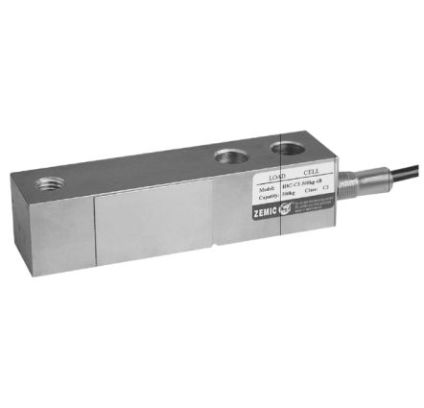
Shear beam
Common in floor scales, pallet scales, conveyor weighing, process hoppers and medium-capacity platforms.
Load-cell.co.za helps engineers, buyers, OEMs and maintenance teams understand load-cell types, capacities, mounting hardware, IP ratings and trade-approved requirements for South African weighing projects.
A load cell converts force into an electrical signal. The right choice depends on force direction, support points, accuracy, environment and whether the result is used for trade.
Common in floor scales, pallet scales, conveyor weighing, process hoppers and medium-capacity platforms.
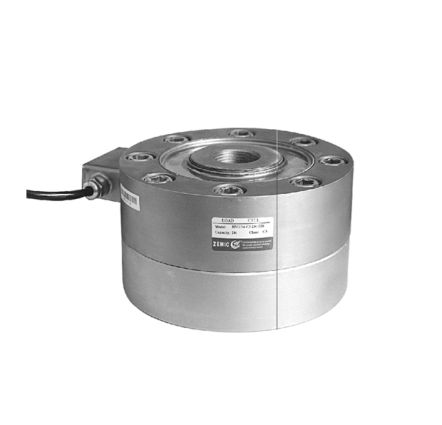
Used where the structure pushes down onto the cell or pulls through the cell.
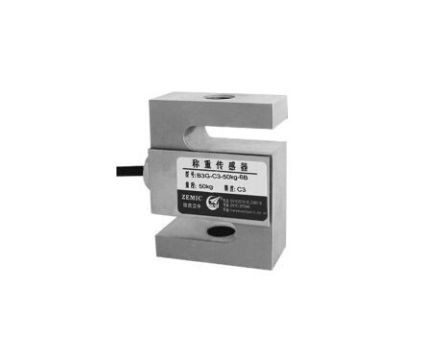
Ideal for suspended weighing, crane scale projects, tension measurement and pull-force checks.
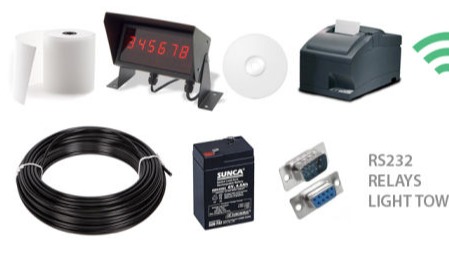
Mounting kits, anti-lift hardware, surge protection and junction boxes make the installation repeatable.
Grouped product rows keep the range scannable without turning the page into a long catalogue.
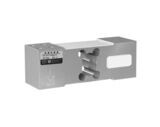
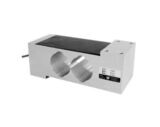
Cost-effective aluminium single point cells for pricing, belt, bench and platform scales.
View range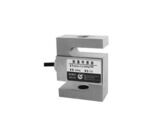
Stainless single point and bending-beam options for washdown, belt and platform weighing.
View range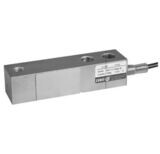
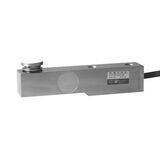
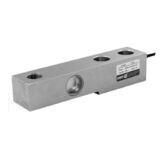
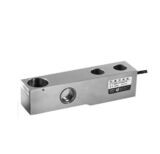
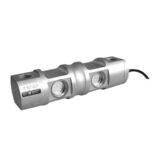
Alloy steel dual shear beam options for truck, track and hopper weighing.
View range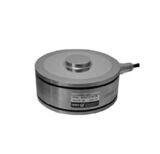
Heavy dual shear beam choices for track scales, truck scales and rail projects.
View range
Stainless dual shear beam options for corrosive or wet heavy weighing sites.
View range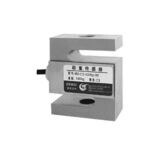
Stainless S-type and link-style options for hanging, crane and force testing work.
View range
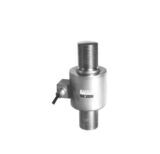
Compression cells for vessels, silos, bins, hoppers, filling and load testing.
View range
Bending-beam cells for belt scales, platform scales and compact process projects.
View range
Hermetically sealed stainless options for platform and washdown weighing.
View range
Load feet, vessel mounts, anti-lift kits and force-introduction hardware.
View range
Panel, wall, DIN-rail and process instrumentation for weighing projects.
View range
Hazardous-area options and pre-matched kits for bench, platform and process scales.
View rangeTwo projects with the same capacity can need different load cells if one has vibration, washdown, legal-for-trade use, dynamic loading or a structure that expands in the sun.
Compression modules, anti-lift protection, check rods, stable foundations and careful pipe decoupling.
Shear beam, S-type or compression modules depending on geometry, live loading and process vibration.
High-capacity compression or column load cells with lightning, wind, uplift and structure checks.
Dual shear beam, rocker column or compression cells with civil, drainage and serviceability considerations.
Single point cells for small platforms; shear beams for heavier floors, pallets and industrial platforms.
Dynamic weighing needs repeatable idler mechanics, speed signal integrity and robust shear beam installations.
S-type cells suit tension weighing, suspended bins, crane scale projects and controlled force checks.
Testing machines, presses and pull-force rigs need the force path, overload risk and calibration method defined.
Packaging, filling, checkweighing and automation projects need compact cells, repeatability and data integration.
This tool narrows the sensor type, capacity range, material and accessories. Final selection should confirm dimensions, mounting, approval status, cabling and site conditions.
A clear brief saves time when choosing cells, mounting kits, indicators and accessories.
Start with the maximum live load, add dead load, divide by support points, then allow for dynamic forces, uneven loading and safety factor. Do not oversize so much that accuracy suffers.
No. Confirm type, capacity, material, approval, output, cable wiring, dimensions and corner matching. In multi-cell systems, mismatched cells can cause unstable readings.
Use stainless steel when the load cell will face washdown, outdoor exposure, corrosion, chemicals, food areas or sites where ingress protection and hygiene matter.
Most systems need mounting hardware, a junction box, cable protection, an indicator or transmitter, surge protection and a calibration or verification plan.
The full weighing instrument must be suitable for the regulated purpose. The load cell, indicator, installation and verification context all matter.
Common causes include side loading, pipe forces, unstable foundations, water ingress, damaged cables, poor junction-box trimming, vibration, overload and incorrect calibration.
A useful enquiry gives the technical team enough information to choose the load cell, mounting hardware, indicator, cabling and protection strategy without guessing.
Send your application, capacity, support points, environment and trade requirements to Richter Scale for load-cell selection, accessories and datasheets.